01
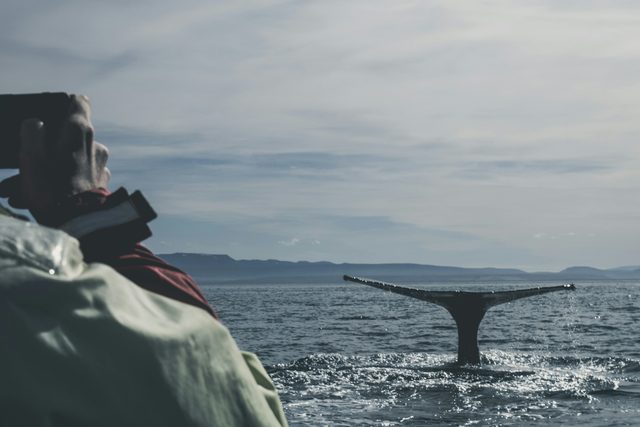
Whales off Húsavík
A private vessel into Skjálfandi Bay, where the great whales feed.
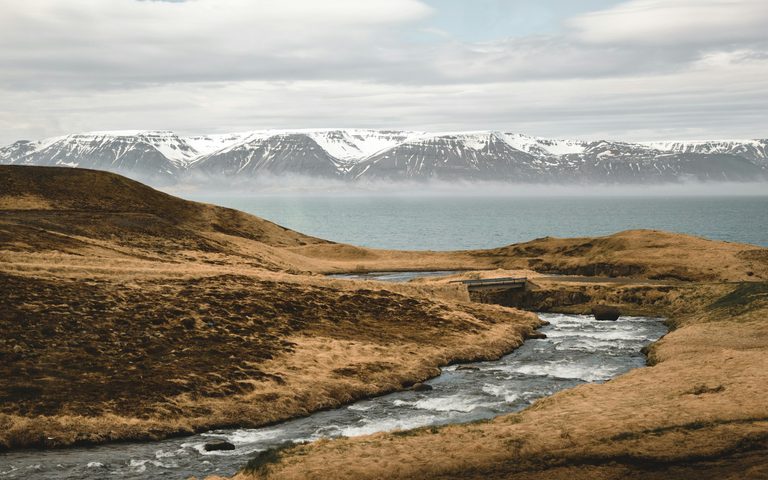
Geothermal lakes, whale-rich fjords, and the clearest skies for the lights.
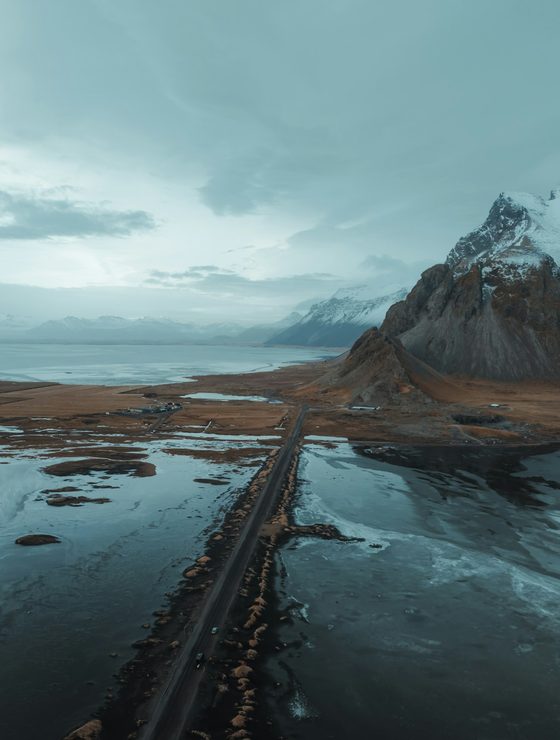
The north is Iceland at its most elemental and least crowded — the geothermal theatre around Lake Mývatn, the whale fjords of Húsavík, and some of the country's darkest, clearest skies for the aurora. We base you at a private retreat and let the north come to you.
A private vessel into Skjálfandi Bay, where the great whales feed.
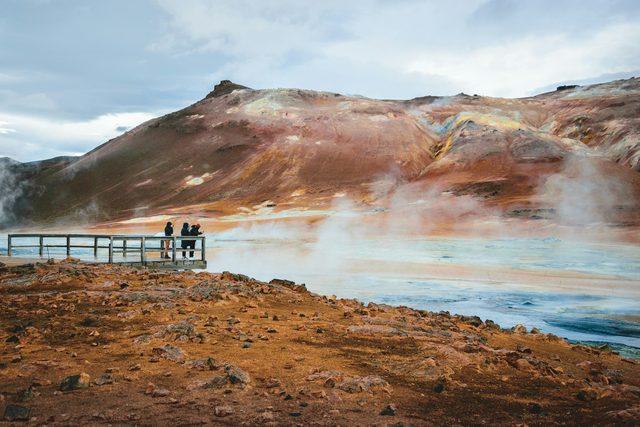
Geothermal bathing without the crowds, the steam over a lava field.
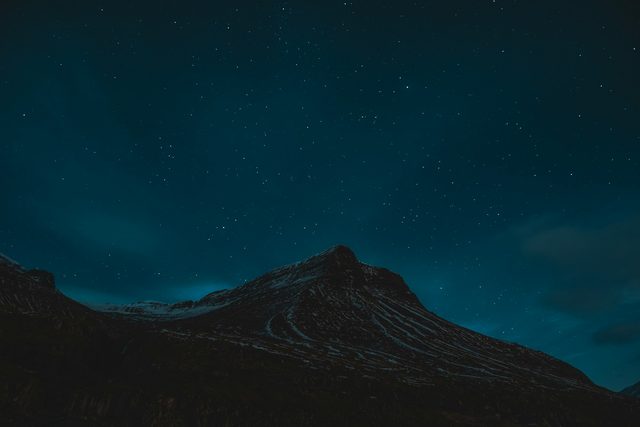
Some of Iceland's clearest skies, watched from a private lodge.
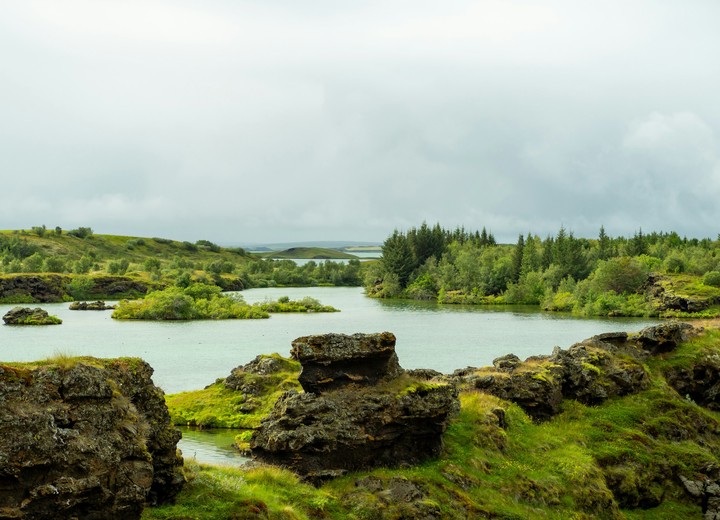
Mývatn's craters, baths and lava, privately guided.
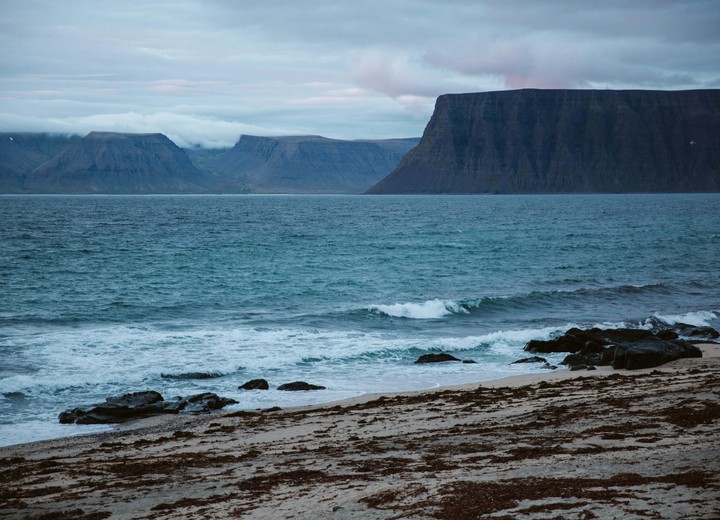
Húsavík's fjords and the great whales, by private boat.
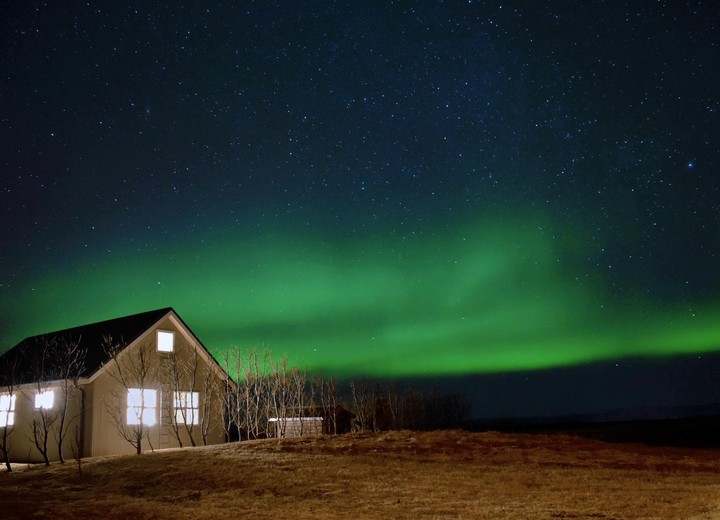
Dark-sky lodges and patient nights chasing the lights.
Each a starting point — our advisors weave them into a single, seamless journey.
Lake Mývatn is the geothermal theatre of Iceland's north: craters, steaming geothermal ground, pseudo-craters and the lava fields at Dimmuborgir, all explored with a private guide. The Mývatn Nature Baths offer geothermal bathing without the crowds, with steam rising over a lava field. Mývatn is about an hour and a quarter from Akureyri, and in late August or September the midges are gone while the landscapes remain.
Whale watching from Húsavík is done by private vessel into Skjálfandi Bay, a deep bay where feeding humpbacks and minke whales concentrate, and where May is the month for blue whales. Forest Travel plans the boat for the first morning of a two-night stay rather than the last, so that weather has somewhere to move. Húsavík is about an hour from Akureyri.
Aurora nights in the north are spent at dark-sky lodges, watching some of Iceland's clearest skies from a private lodge with patient nights chasing the lights. Because the north sits behind the highlands on a different weather front from the south coast, a guide can often drive an hour to a hole in the cloud rather than wait for one. Pairing both coasts across a week buys more chances.
Yes. Dettifoss and Ásbyrgi make a long day east from Akureyri, the gateway to Iceland's north. Akureyri is about 45 minutes by air from Reykjavík's domestic airport, against roughly six hours by road, and from there Lake Mývatn is an hour and a quarter away and Húsavík an hour, so the waterfall and canyon country fits naturally into a stay based in the north.
The best time for Iceland's north and Lake Mývatn depends on what you come for. Whales are in Skjálfandi Bay off Húsavík from April to September, peaking June to August, with May the month for blue whales. Midges swarm Mývatn in June and July, so late August or September is calmer, with the geothermal ground, pseudo-craters and Dimmuborgir lava fields unchanged. For the aurora, the north offers some of Iceland's darkest, clearest skies.
Iceland's north and Lake Mývatn reward a week or more in the country; anyone with under a week in Iceland is better leaving it out. Journeys here run as The Geothermal North (3 days), The Whale Coast (3 days) and Aurora Sanctuary (4 days). Allow a two-night stay in Húsavík so the whale boat can go out on the first morning, and pair north and south coasts across a week for more aurora chances.
Yes. Forest Travel bases you at a private retreat in Iceland's north and lets the region come to you: Mývatn's craters, baths and lava with a private guide, a private vessel into Skjálfandi Bay off Húsavík for the whales, and aurora nights watched from a private lodge. Flights to Akureyri save roughly six hours by road, and lakeside dinners are timed for windier hours when midges are out.
A private journey in north Iceland starts from around US$2,050 per person per night. Shorter journeys start from US$10,800 per traveler for three to four days among Mývatn's craters and baths, and from US$13,000 for three to five aurora nights at dark-sky lodges. Flying from Reykjavík to Akureyri, about 45 minutes against roughly six hours by road, buys back a day. Iceland's lodging tax of ISK 800 per room per night sits on top, and the planning fee is US$250 per itinerary.
Every journey here is a starting point a private advisor reshapes entirely around you — your pace, your people, the The North & Lake Mývatn only you would recognise.
A real person answers: an in-house luxury travel advisor, in English or Spanish. The first conversation is complimentary.