How to Experience True Cultural Immersion — Scholar Guides and After-Hours Access
Cultural immersion at this level is closed-door: a scholar as your guide, a temple after hours, a private collection opened through relationships rather than tickets. Here is what becomes possible, where, and what it typically starts from.
- Your private guide can be an actual scholar, curator or historian — the authority on the place, not a docent reading a script.
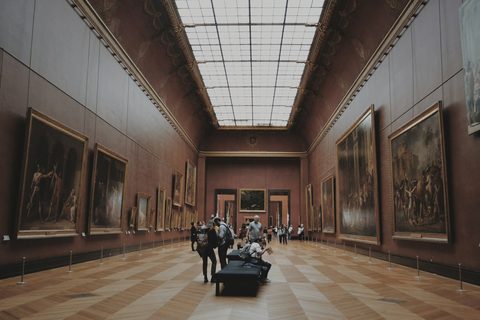
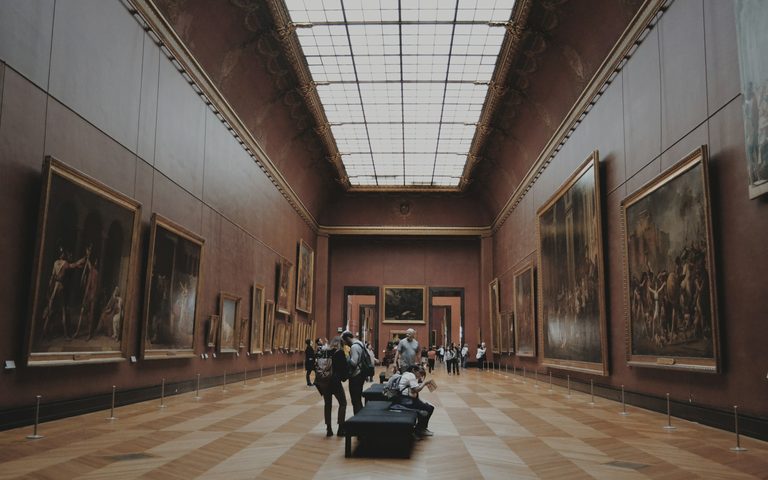
- Doors open after hours: museums and historic sites visited privately, when the public has gone.
- Private collections, palaces and family homes closed to the public are opened through long-standing relationships, with the finest luxury hotels in each city as your base.
- Attend culture privately — the Venice Biennale preview days, an opera opening at La Scala, the Palio from a private balcony.
- Indicative starting point: a luxury cultural journey typically starts from around US$1,500 per person per night.
A scholar as your guide
True cultural immersion begins with who is beside you. We pair you with the curator who rehung a gallery, the archaeologist excavating a site, the historian who wrote the definitive book on it — in Florence, the Uffizi with an art historian; in Kyoto, a temple with its own abbot. These relationships, built since 1986, deliver interpretation no audio guide can match.
After-hours and behind closed doors
Relationships, not tickets, open these doors. We arrange private, after-hours access to museums and historic sites — and beyond the public realm entirely: a Venetian palazzo still owned by its family, a private art collection viewed with its owner, a Rajasthan fort where you are received as a guest. You stay in the finest luxury hotels in each city.
Attending culture privately
We secure the Venice Biennale's preview days, a box at La Scala or a Salzburg Festival premiere, the Palio in Siena from a private balcony — with the surrounding moments orchestrated: the artist met before the vernissage, the dinner after the curtain.
Where to go
The finest cultural journeys unfold where history is living rather than roped off — Italy, Egypt, Japan, India, Greece and Morocco among them — opened through historians and local experts.
See also: Cultural Immersion · The Vatican, After Hours · The Renaissance, Privately
Why cultural immersion leads the 2026 lists
Cultural immersion is the fourth biggest trend of the year and authenticity the sixth, according to the 2026 Virtuoso Luxe Report, a survey of more than 2,400 advisors; personal enrichment and education is the seventh reason affluent travelers travel, and cultural exploration is one of the five favourite experiences of those travelling alone. The same survey shows what clients want the trip to do for the place: avoid over-touristed destinations, give back to local communities and book with companies that employ locals.
Those answers point to the same kind of journey: fewer sites, more time in each, and the guide drawn from the place itself — the historian, the curator, the craftsman — rather than read from a script. It is also why the quieter months and the second-tier cities matter: Florence after the day crowds leave, Kyoto in its quieter weeks, Rajasthan away from the coach circuit. For the cities most in demand this year, see the most popular luxury destinations right now.
What it typically starts from
As an indicative guide, a luxury cultural journey typically starts from around US$1,500 per person per night, rising with private openings and scholar guides. We share a starting range early and never quote a final, all-in figure until the journey is designed.
Questions, answered.
Yes — after-hours and before-opening access to museums, palaces, archaeological sites and private collections, guided by the curators and scholars who know them best, away from the crowds.
As an indicative guide, a privately guided cultural journey typically starts from around US$1,500 per person per night with the finest hotels, scholar-guides and private access. We share a starting range candidly and never quote a final, all-in price until the trip is designed.
We work with scholars, art historians, archaeologists and former curators — specialists who open doors and conversations a standard guide cannot, and tailor each day to your interests rather than a fixed script.
Among the finest: Italy, Egypt, Japan, India, Greece, Morocco and Peru — each with private access to sites, artisans and traditions, and the finest luxury hotels in each as your base.
Yes — meals in private palazzi, audiences with artisans and craftspeople, tea with a calligrapher, a private recital — encounters arranged through relationships, not sold as a product.
Unhurried — typically one or two meaningful experiences a day with room to absorb them, balanced with rest, fine dining and free time, so immersion never becomes a checklist.
Yes — we frequently close a cultural route with an island, a spa retreat or a countryside estate, so depth of culture is balanced with genuine rest.
Four to six months to secure the leading scholar-guides and private access, longer for major exhibitions or festivals. Early planning lets us build the journey around the experiences that matter most to you.
Yes. Private cultural journeys can include the Venice Biennale's preview days, a box at La Scala, a Salzburg Festival premiere, or the Palio in Siena watched from a private balcony. The moments around each event are arranged too: meeting the artist before the vernissage, or dinner after the curtain falls. Major exhibitions and festivals call for more planning time than an ordinary cultural journey.
In Venice, cultural immersion can go beyond the public realm to a palazzo still owned by its family, opened through relationships rather than tickets. Venice also offers the Biennale's preview days, ideally paired with meeting an artist before the vernissage. These sit alongside private, after-hours access to museums and historic sites, with the finest luxury hotels in the city as your base.
In Florence, the Uffizi can be explored with an art historian, and in Kyoto, a temple can be visited with its own abbot. Guides come from relationships built since 1986: the curator who rehung a gallery, the archaeologist excavating a site, the historian who wrote the definitive book on it. They offer interpretation no audio guide can match.
In Rajasthan, a cultural journey can include a fort where you are received as a guest rather than a ticketed visitor, a door opened through personal relationships. India is among the places where history is living rather than roped off, and it is explored with historians and local experts. You stay in the finest luxury hotels along the way.
Because affluent travelers want depth over checklists. In the 2026 Virtuoso Luxe Report, cultural immersion is the fourth biggest trend, authenticity the sixth and personal enrichment the seventh reason to travel. Clients also want to avoid over-touristed places and support local communities, which favours fewer sites, longer stays and guides from the place itself.
By choosing who you travel with. The 2026 Virtuoso Luxe Report lists giving back to local communities and booking with companies that employ locals among the sustainable practices clients most support, alongside avoiding over-touristed destinations. In practice that means local guides and scholars, family-run cellars and workshops, conservation-led lodges and travel in the quieter months.
The best are the trips where the museums open privately: Rome, for the Sistine Chapel and the Vatican Museums with a scholar; Florence, for the Uffizi and the Accademia after hours; Paris, for the Louvre's Denon Wing by torchlight and Versailles before the coaches; New York, after hours at the great museums; and Egypt, with a private audience at the Grand Egyptian Museum. Kyoto, where a temple is visited with its abbot, and Rajasthan complete the list.
Yes. Arts, culture and history is the third activity travelers are most likely to spend on in 2026, at 42 per cent, after food and culinary experiences and adventure and nature, according to Skift Research's State of Travel 2026. At the luxury level that spending goes to access rather than tickets: a scholar as your guide, a museum after hours and a private collection opened through relationships, from around US$1,500 per person per night.
Cultural immersion is travelling to understand a place from the inside rather than to tick off its sights: fewer sites, more time in each, and a guide drawn from the place itself, such as a historian, an archaeologist or a craftsman. On a luxury journey it also means after-hours access to museums and monuments, and being received in private homes, collections and living traditions that a standard ticket never reaches.
Cultural Immersion
See the collection →Tell a private advisor how you like to travel — no quotes, no obligation.
Speak With a Luxury Travel AdvisorA real person answers: an in-house luxury travel advisor, in English or Spanish. The first conversation is complimentary.