Why come to Glasgow when Edinburgh is an hour away?
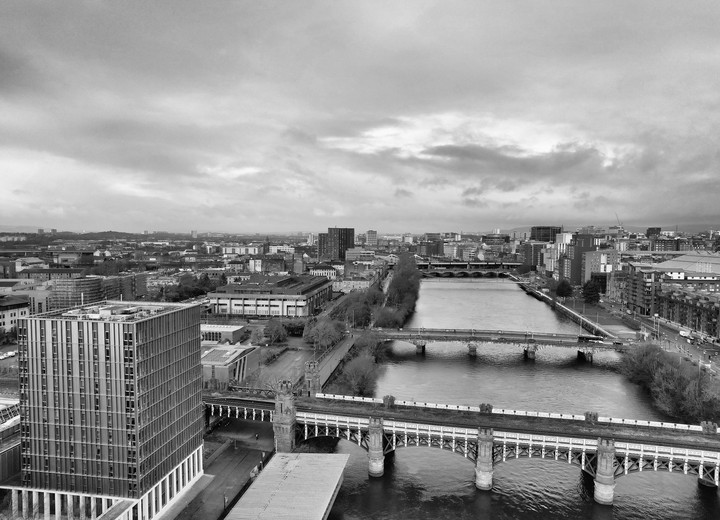
Because it is the working city, and it does not empty or inflate in August. While the capital gives itself over to the Fringe, the International Festival and the Tattoo — all inside 7–31 August 2026 — Glasgow keeps its ordinary calendar, its restaurant tables and its hotel rates. That makes it the calmer base for a Scottish August, an hour by train from Edinburgh when you want the festivals and an hour back when you have had enough of them. Its own high points sit outside the summer entirely: Celtic Connections in January, the West End Festival in June.
How much Mackintosh can you actually see?
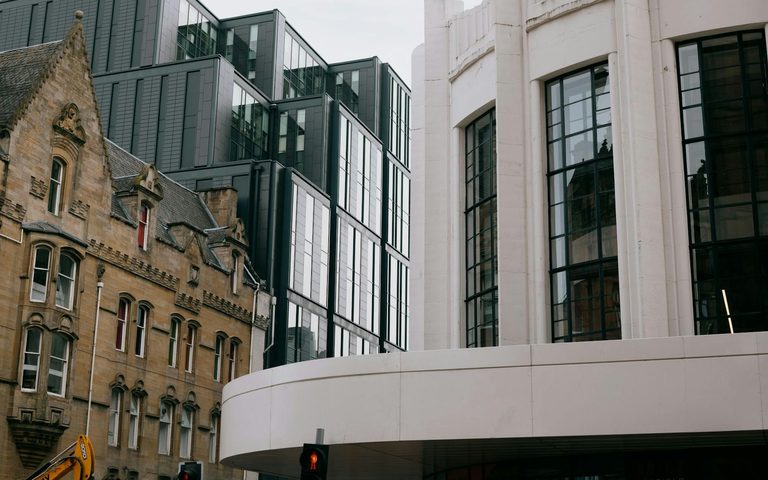
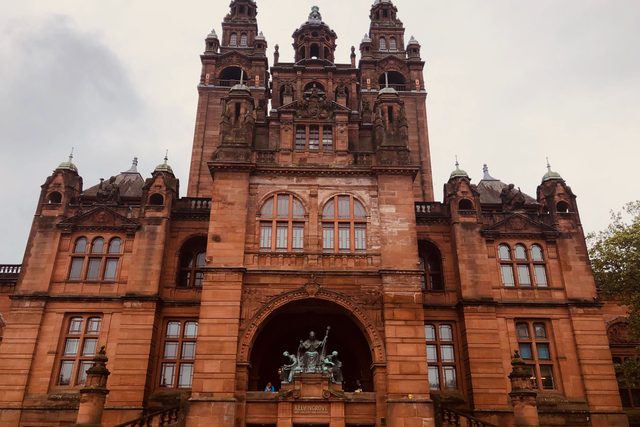
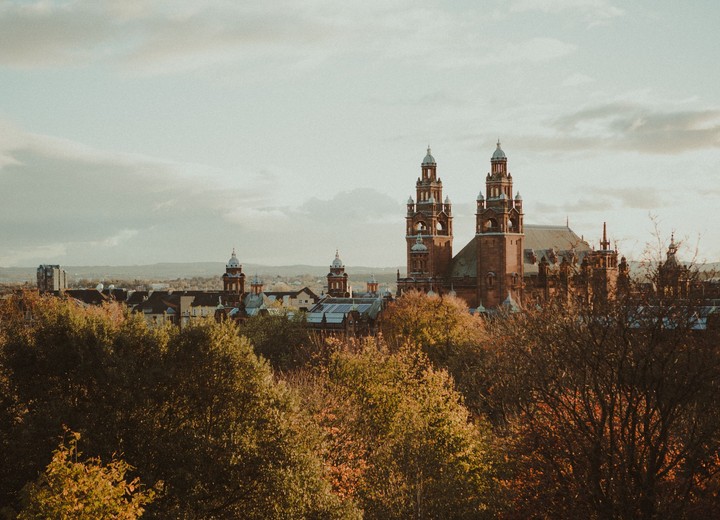
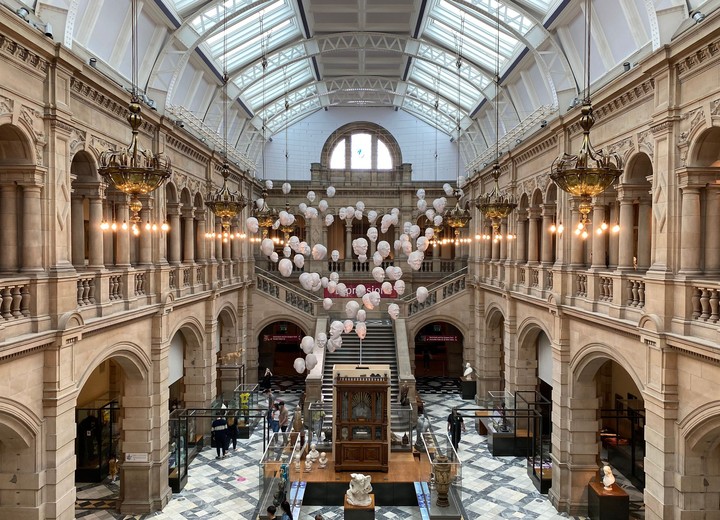
A great deal of the city, but not the building everyone comes for. The Mackintosh Building at the Glasgow School of Art has been a burnt shell since the 2018 fire, and in July 2026 the school's governors stated that full reinstatement, costed at around £265 million, is unaffordable; the plan now is to replace the external scaffolding with an internal retention system from summer 2027 and seek funding for a rebuild later. Anyone promising you the interior is selling something that does not exist. What remains genuinely worth a specialist guide is the surviving Mackintosh work elsewhere in the city and the Kelvingrove Art Gallery, alongside the Victorian commercial core — a design itinerary rather than a single pilgrimage.
What will your bill look like from 2027?
Five per cent higher, and without the cap Edinburgh applies. Glasgow's councillors approved a visitor levy in June 2025 and intend to introduce it on 25 January 2027 at 5% of the accommodation bill, charged on every night of the stay rather than the first five as in Edinburgh. It will apply to hotels, guest houses, B&Bs, hostels and self-catering. For 2026 travel there is nothing to pay; for 2027 onwards we quote it as a line item rather than let it appear at check-out.
How many nights, and where?
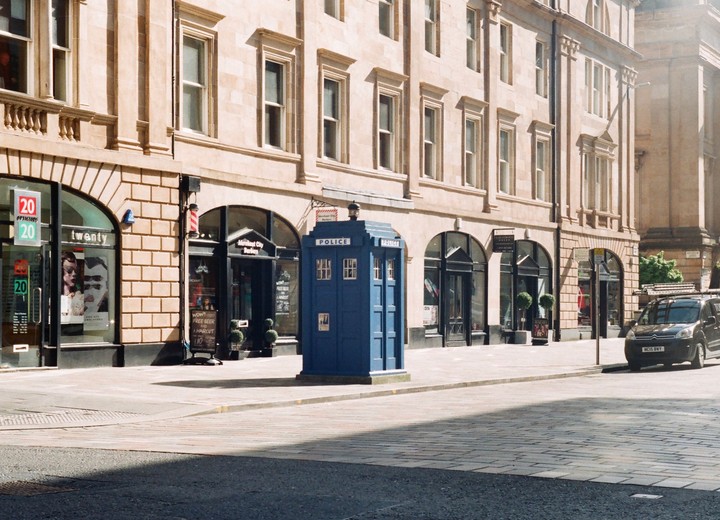
Two nights is usually the honest answer. The West End, around Byres Road and the university, gives leafy terraces, galleries and a residential calm; the city centre by the Merchant City puts dining and culture on foot. Two nights covers the architecture, the museums and the food without padding, which is why we tend to treat Glasgow as a deliberate counterpoint rather than a destination in itself.
What does Glasgow set up?
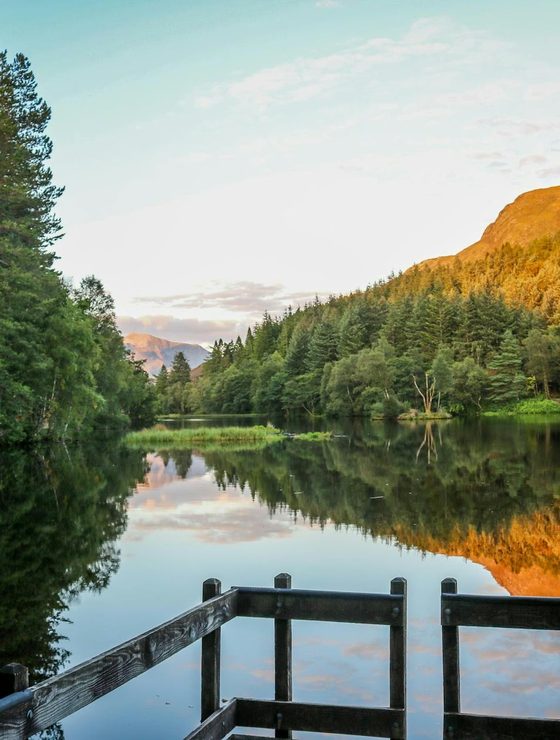
The west, which is the more dramatic half of Scotland. Loch Lomond is close, and the road from here runs to Oban, Glencoe and the Isle of Skye. Glasgow has its own international airport with a short private transfer into the centre, and for onward travel we almost always put a driver-guide on the scenic routes west rather than the train, because the stopping is the point. From there the journey continues into the Highlands, on the arc our Countryside Luxury route follows.
Who should skip Glasgow?
Anyone on a first, short trip to Scotland, and anyone who came for castles and glens. With a week, Edinburgh and the Highlands will use it fully and Glasgow becomes a two-hour compromise nobody enjoys. Glasgow earns its nights on a second visit, on a design or architecture trip, or as an August workaround — and it is a city of galleries, tenements and restaurants, not of scenery. See the wider British picture before deciding where the two nights come from.