01
Peaks from the Sea
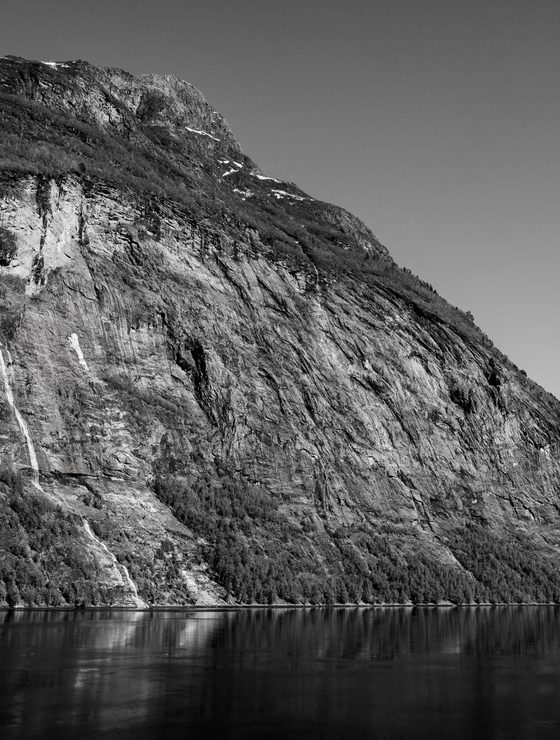
A private boat among mountains that rise sheer from the water, the light endless.
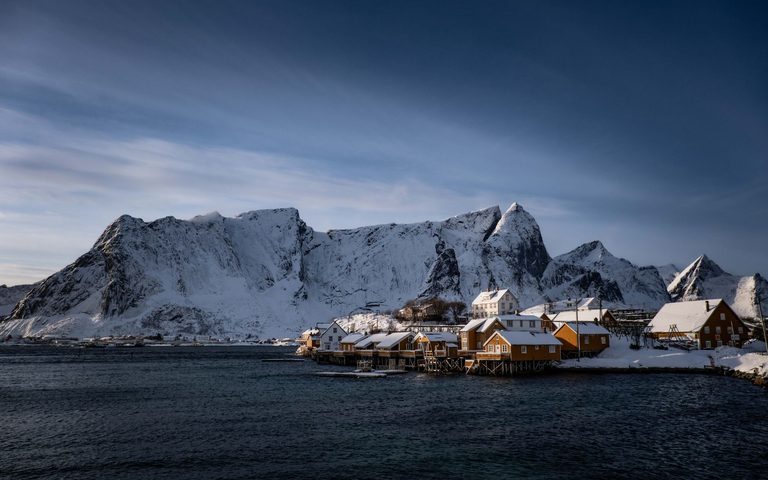
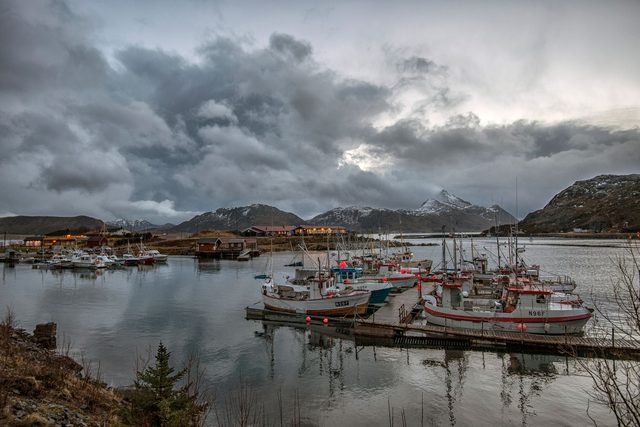
Jagged peaks rising from the sea, red fishing cabins and the midnight sun — the Arctic at its most beautiful.
Lofoten is the Arctic's most beautiful face. We hold the rorbu cabins on the water, the private boats among the peaks and the photographers' light of the midnight sun — the islands, kept for you.
Access, not availability — the moments that define a private Lofoten Islands.
A private boat among mountains that rise sheer from the water, the light endless.
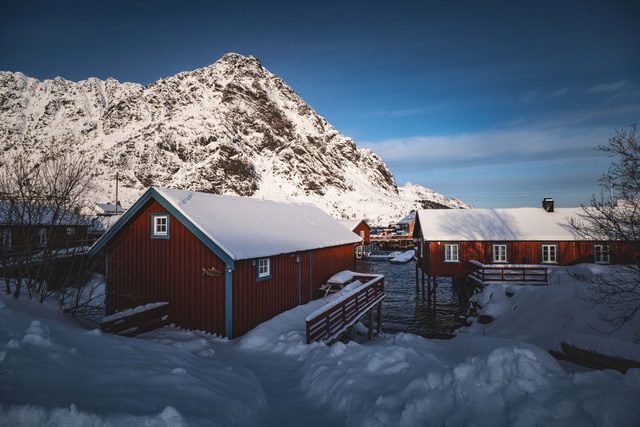
A red fisherman's cabin over the sea, a private terrace, the Arctic quiet.
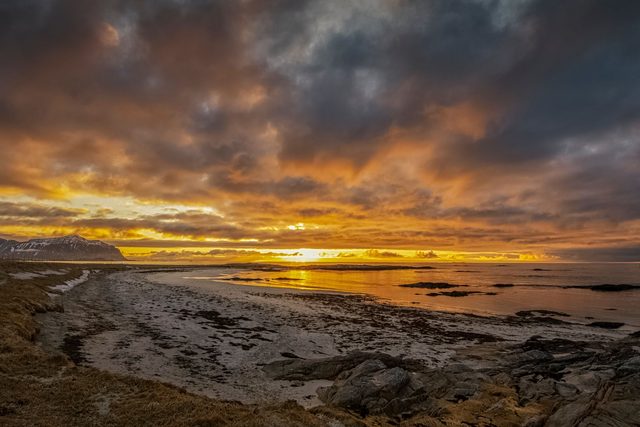
A private picnic on a beach at midnight, the sun low and gold and never setting.
Not packages — points of departure. Find the journey that already feels like yours; your advisor reshapes it entirely around you.
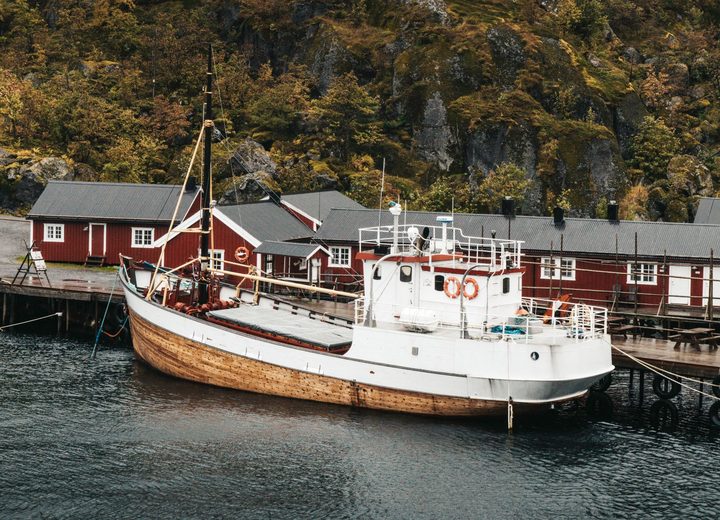
Rorbu cabins, private boats and the peaks of the archipelago.
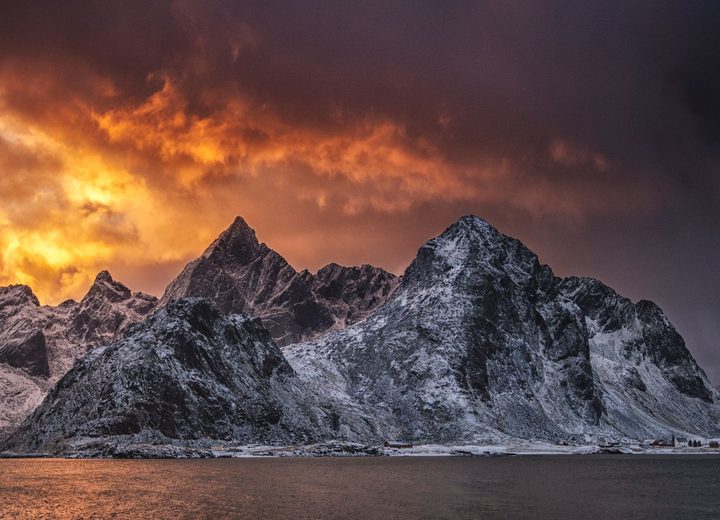
The light, the peaks and the villages with a private guide.
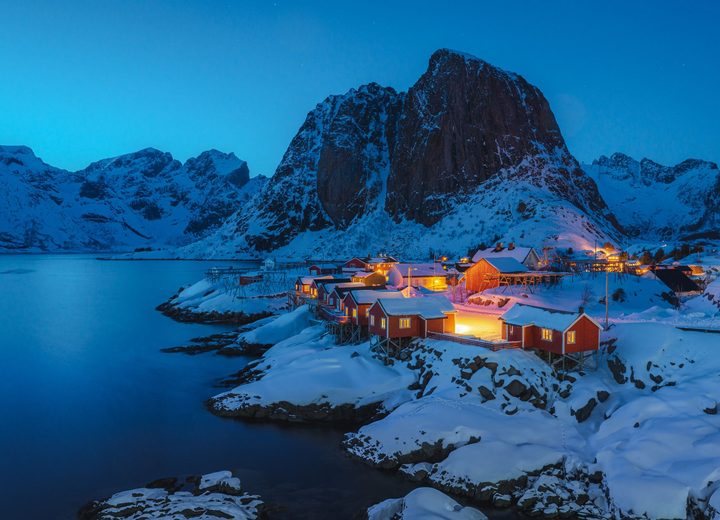
A cabin on the water, the midnight sun or the aurora, for two.
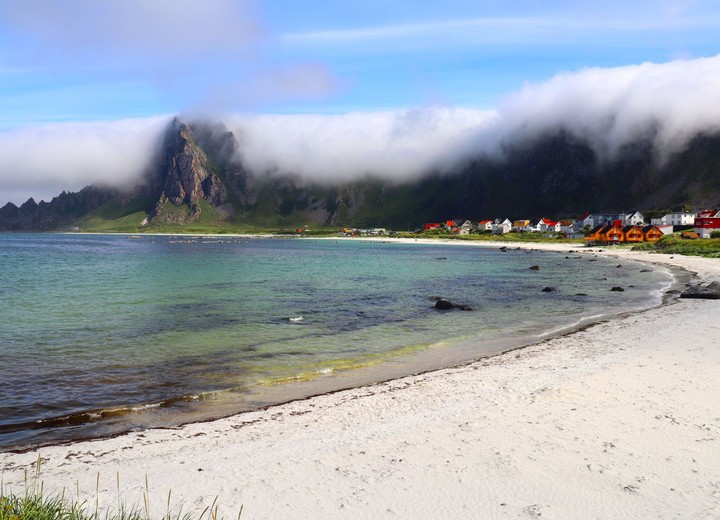
Boats, beaches and the peaks for every generation.
Each a starting point — our advisors weave them into a single, seamless journey.
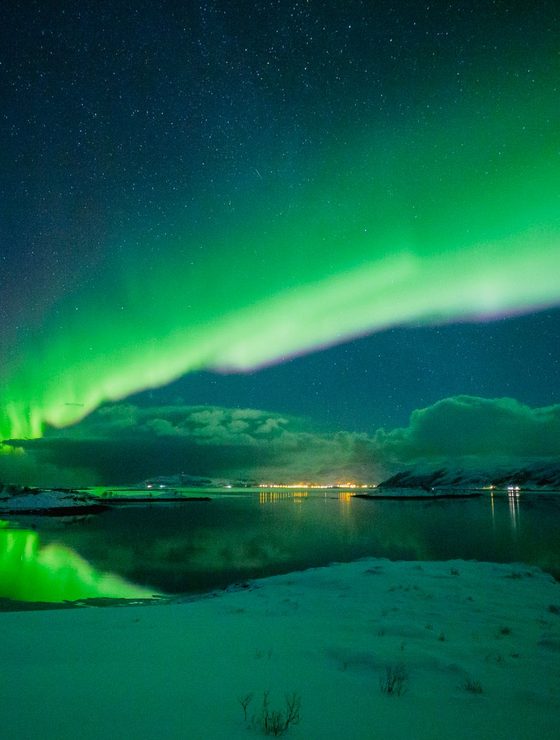
In the Lofoten Islands, a beach facing north beats a cabin in a bowl, because the site matters as much as the forecast. At about 68°N the aurora is usually overhead rather than on the horizon, and the 800-metre walls above the fjords can hide a low, quiet arc entirely. Plan four nights minimum: three give roughly 60–70% odds of a good sighting, four or five 75–85%.
To reach the Lofoten Islands, fly to Bodø, then take the short hop to Leknes or Svolvær, or the car ferry across the Vestfjord to Moskenes. From Oslo that is most of a travel day, so Lofoten works as four nights or more rather than a stop. There is one road, the E10, running the length of the archipelago, so the islands are driven in one direction rather than back and forth.
Yes. Reine, Hamnøy and the Å end of the E10 absorb almost every visitor to the Lofoten Islands into a handful of viewpoints and car parks between July and mid-August, and the villages are small enough that it shows. Forest Travel works the shoulders instead — late May, early June and September — and the far side of the ridge. Expect Norway's 3% visitor levy on overnight stays where the Lofoten municipalities have adopted it.
A rorbu in Lofoten is a converted red fisherman's cabin over the water — beautiful, small, with a private terrace and the Arctic quiet, but not a hotel with a spa attached. Anyone who wants a resort, or whose plan depends on the weather behaving, should think twice: an Atlantic front can take out a boat day, a hike and a photograph together. For the Arctic with more infrastructure, Tromsø is the honest alternative.
The best time to visit the Lofoten Islands depends on whether you want the midnight sun or the aurora. Late May to September brings green peaks, warm rock and light at midnight, and the sun does not set from late May into July. February and March bring snow on the peaks, long dark evenings and the aurora, with days long enough to see the islands too. To avoid the July to mid-August crowds at Reine, Hamnøy and Å, Forest Travel favours late May, early June and September.
Plan at least four nights in the Lofoten Islands. From Oslo, reaching Lofoten via Bodø takes most of a travel day, so it works as a stay rather than a stop, driven in one direction along the E10. For the aurora, three nights give roughly 60–70% odds of a good sighting, four or five 75–85%. Forest Travel's Lofoten journeys run 5–7 days for the islands, photography and family trips, and 4–6 days for an Arctic honeymoon.
Yes. Every Forest Travel journey to the Lofoten Islands is a point of departure that your advisor reshapes entirely around you. Options include a red rorbu fisherman's cabin over the water with a private terrace, a private boat among peaks that rise sheer from the sea, a private guide for photographing the light and villages, and a private picnic on a beach under the midnight sun. Journeys are shaped for nature, photography, honeymoons or families.
For a private trip, yes. Forest Travel's Lofoten journeys are estimated from around US$1,600 per person per night, and four nights is the minimum we plan because reaching the islands from Oslo takes most of a travel day, so a stay starts from around US$6,400 per person. The Lofoten municipalities are approved pilot areas for Norway's new 3% visitor levy on overnight stays, so expect it on the bill where it has been adopted.
Reine, Hamnøy and Å, at the end of the E10, are the villages almost every visitor comes to see, and between July and mid-August they absorb nearly all of them into a handful of viewpoints and car parks. Forest Travel works the shoulder months, late May, early June and September, and the far side of the ridge, so the villages are seen from a private boat or a quiet beach rather than a queue.
Every journey here is a starting point a private advisor reshapes entirely around you — your pace, your people, the Lofoten Islands only you would recognise.
A real person answers: an in-house luxury travel advisor, in English or Spanish. The first conversation is complimentary.