The Best Time to Visit Costa Rica — a Luxury Guide, Month by Month
Costa Rica has a dry season and a green season rather than a summer and a winter. The month decides the sunshine, the crowds and which coast is at its best.
- The dry season, roughly December to April, is the most reliable for sunshine, especially on the Pacific side, and the busiest.
- The green season, May to November, brings afternoon rain, fewer visitors and lush forest; September and October are often the wettest on the Pacific side.
- The Caribbean side is wetter and has no marked dry season; wildlife and whale-watching follow their own calendars.
- Eight to twelve days across two or three regions suit a first private journey; a private journey starts from around US$1,000 per person per night.
The short answer
The best time to visit Costa Rica for reliable sunshine is the dry season, roughly December to April, especially on the Pacific side, and it is also the busiest. The green season, May to November, brings afternoon rain, fewer visitors and lush forest, with September and October often the wettest months on the Pacific side. The Caribbean side is wetter and has no marked dry season. Our rule of thumb: dry season for beaches and certainty, green season for forest, quiet and value.
Costa Rica month by month
| Months | What it is like | Best for |
|---|---|---|
| December to April | The dry season: sunny, with the Pacific side at its most reliable; December to Easter is the busiest stretch | Beaches, surf, certainty of sun, humpback whales on the south Pacific coast |
| May to June | The green season begins: mornings are usually clear, with rain building in the afternoon, and the forest turns green | Fewer visitors, lush forest, better value |
| July to August | Still the green season, with showers that follow the afternoon pattern; some years bring a brief drier spell, the "little summer" | Families on school holidays, wildlife, a second whale season in the south from around July |
| September to October | Often the wettest months on the Pacific side | Lowest prices, quiet lodges, flexible travellers |
| November | The rains ease and the dry season approaches | Quiet travel before the peak, green forest and returning sun |
Wildlife and the calendar
Humpback whales visit the south Pacific coast in two seasons, roughly December to April and again from around July to October, as northern and southern populations pass through. On the Caribbean coast, green turtles nest at Tortuguero from roughly July to October. Birdlife and the forest are at their best in the green season, and the dry season makes animals easier to see at waterholes. We time the regions to what you most want to see.
Which coast, which month
The Pacific side, with the Nicoya Peninsula and the beaches, has the clearest dry season and the wettest green season; the Caribbean side has no marked dry season, and its rain follows a different pattern from the Pacific, so we check the forecast for your dates. The cloud forest at Monteverde is cool and misty at any time of year and is best seen early in the day. The map of regions is in Costa Rica.
How many days are enough
Eight to twelve days across two or three regions suit a first private journey, for example the cloud forest and the volcano followed by a coast. Fewer days force a different base every night; more days allow the remote Osa Peninsula.
The cheapest time to go
Prices are typically lowest in the green season, especially in September and October, and highest from Christmas to Easter. The cheapest weeks are not always the best, so we weigh price against weather and the wildlife you want to see.
Why it rewards an advisor
The best guides and the small lodges are booked early, the road between regions is slower than the map suggests, and the right coast depends on the month. A private advisor picks the regions for your dates and sequences the days so that the journey is about the forest and the sea, not the driving.
What a luxury Costa Rica journey starts from
As a luxury advisory we quote a from-price, not a final one. Indicatively, a private journey starts from around US$1,000 per person per night, rising with the lodges, the private guiding and domestic flights. The real figure depends on the regions and the season — we share the starting point candidly and design the rest around you.
Comparing beach destinations? See Belize vs Cancún. For the luxury window of every destination on one page, see the best time to visit, by destination.
Questions, answered.
For reliable sunshine, the dry season, roughly December to April, especially on the Pacific side; it is also the busiest. The green season, May to November, brings afternoon rain, fewer visitors and lush forest. We choose the month by what you most want to see.
Yes. July is in the green season, with mornings that are often clear and rain building in the afternoon, and some years bring a brief drier spell. It brings fewer visitors than the dry season, lush forest and the start of a second whale season on the south Pacific coast.
Typically September and October on the Pacific side, in the middle of the green season. The Caribbean side is wetter overall and has no marked dry season; its rain follows a different pattern.
A private luxury journey starts from around US$1,000 per person per night, rising with the lodges, the private guiding and domestic flights. Your Forest Travel advisor gives the exact figure for your dates and regions.
Eight to twelve days across two or three regions suit a first private journey, for example the cloud forest and the volcano followed by a coast. Fewer days force a different base every night.
Prices are typically lowest in the green season, especially in September and October, and highest from Christmas to Easter. The cheapest weeks are not always the best for weather.
Humpback whales visit the south Pacific coast in two seasons: roughly December to April and again from around July to October. Your advisor times the coast to the season.
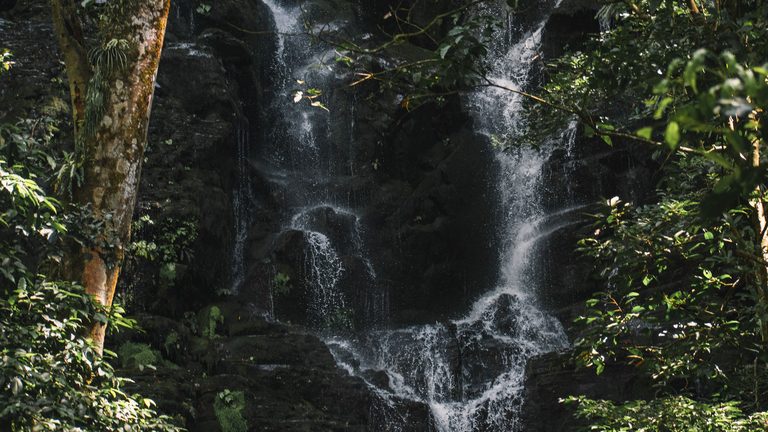
Costa Rica
See the collection →Tell a private advisor how you like to travel — no quotes, no obligation.
Speak With a Luxury Travel AdvisorA real person answers: an in-house luxury travel advisor, in English or Spanish. The first conversation is complimentary.